
ভারতে ২০২৬ সালের গৃহঋণ পরিশোধের পূর্বপ্রস্তুতি সংক্রান্ত নিয়মাবলী
আরবিআই-এর নিয়ম অনুযায়ী, ফ্লোটিং-রেট হোম লোনের বেশিরভাগ ঋণগ্রহীতা প্রি-পেমেন্ট চার্জ থেকে সুরক্ষিত থাকেন। এই নির্দেশিকায় ঠিক কী বলা হয়েছে, কোন কোন লোন এর আওতাভুক্ত এবং কী কী বিষয়ে সতর্ক থাকতে হবে, তা এখানে তুলে ধরা হলো।
Last updated: Published 16 May 2026 · Updated 2 June 2026
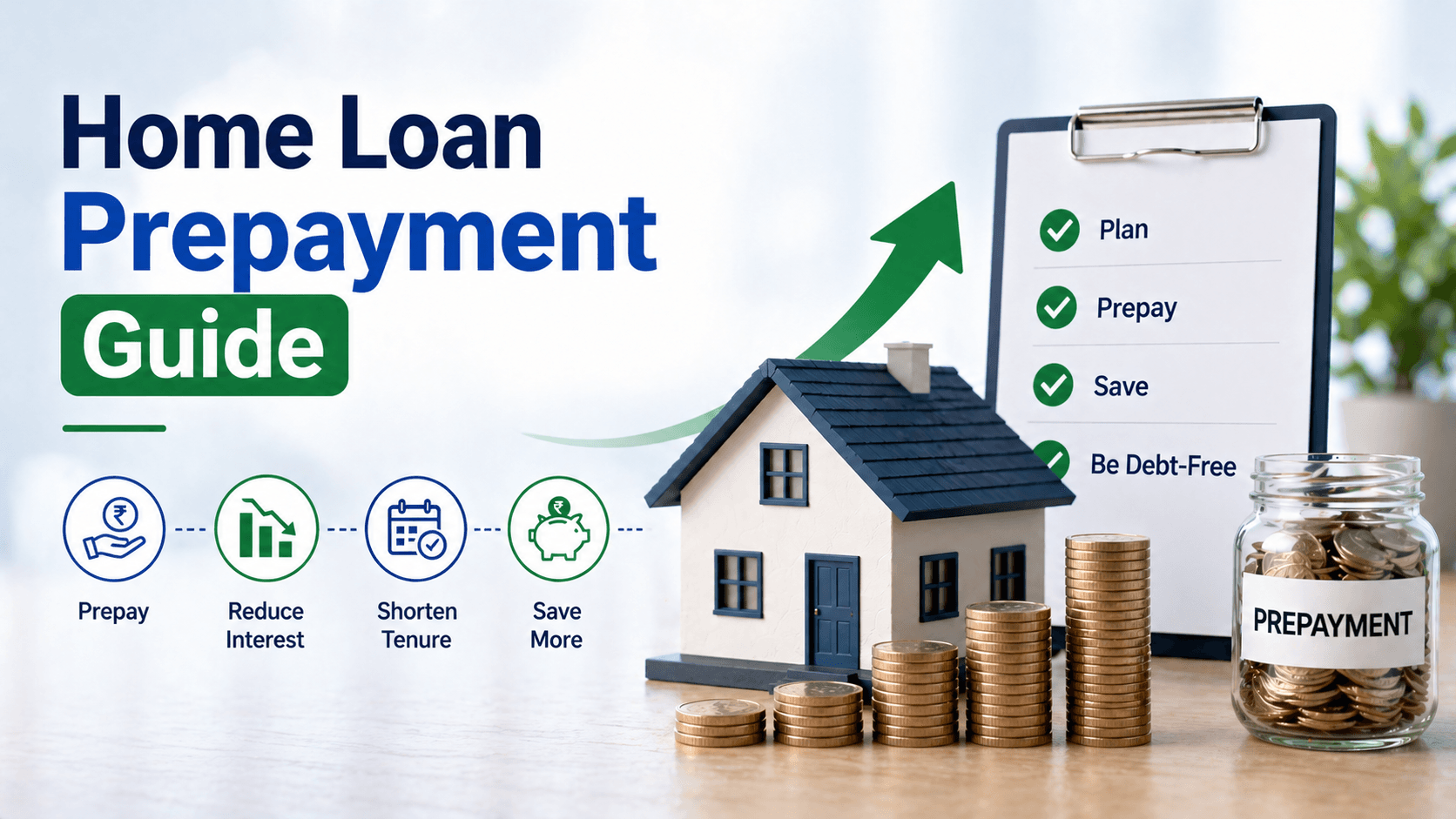
Published 16 May 2026 · Updated 2 June 2026
আরবিআই-এর মূল নিয়ম: ফ্লোটিং-রেট হোম লোনের ক্ষেত্রে প্রি-পেমেন্ট চার্জ প্রযোজ্য নয়।
২০১২ সালে, ভারতীয় রিজার্ভ ব্যাংক একটি নির্দেশিকা জারি করে, যেখানে ব্যাংকগুলোকে ব্যক্তিগত (ব্যবসায়িক নয়) ব্যবহারের জন্য ব্যক্তি ঋণগ্রহীতাদের নেওয়া ফ্লোটিং-রেট গৃহ ঋণের উপর কোনো ধরনের প্রি-পেমেন্ট বা ফোরক্লোজার চার্জ আরোপ করা থেকে নিষিদ্ধ করা হয়। পরবর্তী সার্কুলারগুলিতে এই নিয়মটি আরও প্রসারিত করা হয় এবং এটি ভারতে কর্মরত সমস্ত তফসিলি বাণিজ্যিক ব্যাংকের ক্ষেত্রে প্রযোজ্য।
এর বাস্তব অর্থ হলো: যদি আপনার ব্যক্তিগত বাড়ির জন্য কোনো ভারতীয় ব্যাঙ্ক (এসবিআই, এইচডিএফসি, আইসিআইসিআই, অ্যাক্সিস, পিএনবি, কানারা, ইত্যাদি) থেকে একটি স্ট্যান্ডার্ড ফ্লোটিং-রেট হোম লোন থাকে, তাহলে আপনি কোনো ফি বা জরিমানা ছাড়াই যেকোনো সময় যেকোনো পরিমাণ অর্থ পরিশোধ করতে পারবেন।
এটি ভারতীয় ব্যাংকিং ব্যবস্থার অন্যতম ঋণগ্রহীতা-বান্ধব একটি নিয়ম, যা খুব কমই ব্যবহৃত হয় — অনেক ঋণগ্রহীতা মনে করেন যে তাদের উপর চার্জ আরোপ করা হবে এবং তাই তারা আগেভাগে পরিশোধ করা থেকে বিরত থাকেন। আপনার উপর কোনো চার্জ আরোপ করা হবে না।
পরিবর্তনশীল সুদের হার বনাম স্থির সুদের হারের গৃহঋণ: ভিন্ন নিয়মাবলী
এই বিনা চার্জের সুরক্ষা শুধুমাত্র ফ্লোটিং-রেট লোনের ক্ষেত্রে প্রযোজ্য। ফিক্সড-রেট হোম লোনের ক্ষেত্রে বিষয়টি ভিন্নভাবে বিবেচনা করা হয়।
| ঋণের ধরণ | অগ্রিম পরিশোধের চার্জ অনুমোদিত? | সাধারণ চার্জ (যদি থাকে) |
|---|---|---|
| পরিবর্তনশীল হার (ব্যক্তিগত, অবাণিজ্যিক) | না — RBI দ্বারা নিষিদ্ধ | নীল |
| স্থির হার (ব্যাংক) | হ্যাঁ — ব্যাংকের বিবেচনার ভিত্তিতে | বকেয়া মূলধনের ০% থেকে ২% |
| পরিবর্তনশীল হার (ব্যবসায়িক/বাণিজ্যিক উদ্দেশ্যে) | হ্যাঁ — যদি চুক্তিতে উল্লেখ করা থাকে | ঋণদাতা ভেদে ভিন্ন হতে পারে |
| স্থির হার (এনবিএফসি/এইচএফসি) | এনএইচবি/আরবিআই এনবিএফসি নিয়ম দ্বারা নিয়ন্ত্রিত | পণ্যের উপর নির্ভর করে ০% থেকে ৪%। |
বর্তমানে ভারতে বেশিরভাগ হোম লোনই ফ্লোটিং-রেট (EBLR বা RLLR-এর সাথে সংযুক্ত), তাই বেশিরভাগ ঋণগ্রহীতাই সুরক্ষিত থাকেন। আপনার লোনটি ফ্লোটিং নাকি ফিক্সড, সে বিষয়ে আপনি যদি নিশ্চিত না হন, তবে আপনার স্যাংশন লেটারটি দেখে নিন — সেখানে বেঞ্চমার্ক (যেমন, "SBI EBLR + 0.40%") অথবা "ফিক্সড রেট" লেখা থাকবে।
অল্প সংখ্যক ঋণগ্রহীতা ঐতিহাসিকভাবে কম সুদের হারে ফিক্সড-রেট হোম লোন নিয়েছিলেন। এদের ক্ষেত্রে, ঋণদাতা অনুমোদনপত্রে সম্মত হওয়া অনুযায়ী প্রি-পেমেন্ট ফি ধার্য করতে পারে — যা সাধারণত বকেয়া মূলধনের ১-২%।
আরবিআই-এর প্রিপেমেন্ট নিয়মের আওতায় কারা পড়েন?
আরবিআই-এর নিয়মটি ফ্লোটিং-রেট হোম লোনের ক্ষেত্রে প্রযোজ্য, যেখানে নিম্নলিখিত সবগুলিই সত্য:
- ঋণগ্রহীতা একজন ব্যক্তি (কোনো কোম্পানি, ট্রাস্ট বা অংশীদারী প্রতিষ্ঠান নয়)।
- এই ঋণটি আবাসিক সম্পত্তির জন্য (বাণিজ্যিক নয়)।
- উদ্দেশ্য হলো ব্যক্তিগত ব্যবহার (বাণিজ্যিকভাবে ভাড়া দেওয়া বা সম্পত্তিটি থেকে কোনো ব্যবসা পরিচালনা করা নয়)।
- ঋণদাতা একটি তফসিলি বাণিজ্যিক ব্যাংক (এনবিএফসি বা সমবায় ব্যাংক নয়)।
আপনার ঋণ যদি এই শর্তগুলো পূরণ করে, তাহলে আপনার অনুমোদন পত্রে যা-ই বলা থাকুক না কেন, আপনি যেকোনো ধরনের আগাম পরিশোধ বা সম্পত্তি বাজেয়াপ্তকরণ চার্জ থেকে সুরক্ষিত থাকবেন — কারণ ব্যক্তিগত চুক্তির শর্তাবলীর চেয়ে RBI-এর নিয়মই প্রাধান্য পায়।
ব্যক্তিগত ব্যবহারের জন্য ফ্লোটিং-রেট হোম লোন নেওয়া অনাবাসী ভারতীয় (এনআরআই) ঋণগ্রহীতারাও একই নিয়মের আওতাভুক্ত, তবে শর্ত হলো লোনটি অবশ্যই একটি তফসিলি বাণিজ্যিক ব্যাংক থেকে নেওয়া হতে হবে।
এনবিএফসি এবং হাউজিং ফাইন্যান্স কোম্পানি (এইচএফসি) গৃহ ঋণ
এনবিএফসি (যেমন টাটা ক্যাপিটাল, বাজাজ হাউজিং ফাইন্যান্স) এবং এইচএফসি (যেমন এলআইসি হাউজিং ফাইন্যান্স, পিএনবি হাউজিং ফাইন্যান্স) তফসিলি বাণিজ্যিক ব্যাংকগুলোকে অন্তর্ভুক্তকারী ব্যাংকিং সার্কুলার দ্বারা নয়, বরং আরবিআই-এর এনবিএফসি নির্দেশিকা এবং ন্যাশনাল হাউজিং ব্যাংক (এনএইচবি) দ্বারা নিয়ন্ত্রিত হয়।
২০২৩ সাল থেকে, আরবিআই এনবিএফসি এবং এইচএফসি সংক্রান্ত বিধিমালা একীভূত করেছে। ব্যক্তিবিশেষের ফ্লোটিং-রেট হোম লোনের ক্ষেত্রে কোনো প্রি-পেমেন্ট চার্জ না থাকার মূল নীতিটি এখন বেশিরভাগ নিবন্ধিত এনবিএফসি এবং এইচএফসি-র ক্ষেত্রেও প্রযোজ্য। তবে, এর সঠিক প্রযোজ্যতা প্রোডাক্টের ধরন এবং আপনার লোন অনুমোদনের সময় কার্যকর থাকা নির্দিষ্ট এনএইচবি / আরবিআই এনবিএফসি সার্কুলারের উপর নির্ভর করতে পারে।
বাস্তবে, বেশিরভাগ প্রধান এইচএফসি (এলআইসি এইচএফএল, পিএনবি এইচএফএল, একীভূত হওয়ার আগে এইচডিএফসি লিমিটেড) নিয়ন্ত্রক সংস্থার নির্দেশনা মেনে বেশ কয়েক বছর ধরে ফ্লোটিং-রেট ব্যক্তিগত গৃহ ঋণের উপর প্রি-পেমেন্ট ফি ধার্য করেনি।
২০২৬ সালেও ঋণদাতারা যা করতে পারে
অগ্রিম পরিশোধের চার্জ ছাড়াও, কিছু ঋণদাতা সামান্য বিধিনিষেধ বা পদ্ধতিগত প্রয়োজনীয়তা আরোপ করে থাকে:
- ন্যূনতম অগ্রিম পরিশোধের পরিমাণ: কিছু ঋণদাতা একটি সর্বনিম্ন সীমা নির্ধারণ করে দেয় (যেমন, প্রতিবার আংশিক অগ্রিম পরিশোধের জন্য ন্যূনতম ₹১০,০০০)। এটি অনুমোদিত — এটি একটি কার্যপরিচালনাগত সীমা, কোনো জরিমানা নয়।
- নোটিশের সময়কাল: কিছু ঋণদাতা বড় অঙ্কের অগ্রিম পরিশোধের জন্য ৩-৭ দিনের নোটিশ চেয়ে থাকেন। কোনো আর্থিক জরিমানা না থাকলে এটি অনুমোদিত।
- প্রক্রিয়াকরণের সময়: আপনার মূল ব্যালেন্সে অগ্রিম পরিশোধ প্রয়োগ করতে ব্যাংক ২-৫ কার্যদিবস সময় নিতে পারে। এটি স্বাভাবিক।
- ইএমআই বনাম মেয়াদের পছন্দ: বেশিরভাগ ব্যাংকই মেয়াদপূর্তির আগে ঋণ পরিশোধের পর ঋণের মেয়াদ কমিয়ে দেয়। আপনাকে স্পষ্টভাবে ইএমআই কমানোর জন্য অনুরোধ করতে হবে — আপনার ঋণদাতা সাধারণত একটি লিখিত অনুরোধ চাইবে।
এগুলো প্রক্রিয়াগত আবশ্যকতা, জরিমানা নয়। এগুলো সাধারণত ঠিক আছে এবং অগ্রিম পরিশোধের আর্থিক সুবিধা কমায় না।
২০২৬ সালে কীভাবে আপনার হোম লোন সঠিকভাবে পরিশোধ করবেন
যে অগ্রিম পরিশোধ আপনার বকেয়া মূলধনের সাথে সঠিকভাবে সমন্বয় করা হয় না, তার কোনো উপকারিতা নেই। এই পদক্ষেপগুলো অনুসরণ করুন:
- প্রথমে আপনার সঞ্চয় গণনা করুন: ব্যবহার করুনKlearPay-এর ক্যালকুলেটরশুরু করার আগেই আপনি ঠিক কত সুদ সাশ্রয় করছেন তা জেনে নিন।
- NEFT অথবা ব্যাংকের প্রি-পেমেন্ট ফিচারের মাধ্যমে আপনার লোন অ্যাকাউন্টে টাকাটি ট্রান্সফার করুন (সাধারণ EMI ট্রান্সফার হিসেবে নয়)।
- আপনার ঋণদাতার সাথে (লিখিতভাবে বা অ্যাপের মাধ্যমে) নিশ্চিত করুন যে অর্থটি বকেয়া মূলধনে প্রয়োগ করা হয়েছে।
- আপনার যদি বিশেষভাবে কম ইএমআই-এর প্রয়োজন না হয়, তবে মেয়াদ হ্রাস বিকল্পটি বেছে নিন (এতে বেশি সুদ সাশ্রয় হয়)।
- অগ্রিম পরিশোধ প্রয়োগ করার পর হালনাগাদকৃত কিস্তি পরিশোধের তালিকাটি ডাউনলোড করুন।
অনেক ঋণদাতা এখন তাদের অ্যাপের মাধ্যমে ডিজিটাল প্রি-পেমেন্ট সমর্থন করে (এসবিআই-এর জন্য ইয়োনো, এইচডিএফসি-র জন্য মাইলোন, আইসিআইসিআই-এর জন্য আইমোবাইল পে)। সরকারি খাতের ব্যাংকগুলিতে এখনও শাখায় যাওয়া অথবা লিখিত নিশ্চিতকরণ সহ এনইএফটি ট্রান্সফারের প্রয়োজন হতে পারে।
আমাদের দেখুনব্যাংক-নির্দিষ্ট অগ্রিম পরিশোধ নির্দেশিকাপ্রতিটি ঋণদাতার জন্য ধাপে ধাপে নির্দেশাবলী।
আপনার ঋণদাতা যদি মেয়াদপূর্তির পূর্বে পরিশোধের জন্য ফি ধার্য করে তাহলে কী করবেন
যদি আপনার ব্যাংক ফ্লোটিং-রেট ব্যক্তিগত হোম লোনের উপর প্রি-পেমেন্ট ফি ধার্য করে, তবে এটি RBI-এর নির্দেশিকার লঙ্ঘন। আপনি যা করতে পারেন:
- ব্যাংকের গ্রাহক অভিযোগ নিষ্পত্তি দলের কাছে একটি আনুষ্ঠানিক অভিযোগ দায়ের করুন এবং প্রাসঙ্গিক আরবিআই সার্কুলারটি উল্লেখ করুন।
- ব্যাংক ৩০ দিনের মধ্যে অভিযোগটির সমাধান না করলে, বিষয়টি ব্যাংকিং ন্যায়পালের কাছে জানান।
- নিয়মকানুন লঙ্ঘনের জন্য RBI-এর SACHET পোর্টালে (sachet.RBI.org.in) অভিযোগ দায়ের করুন।
বাস্তবে, আপনি যদি স্পষ্টভাবে আরবিআই-এর নিয়মটি উল্লেখ করেন, তাহলে বেশিরভাগ ব্যাংকই চার্জটি মওকুফ করে দেয়। সমস্যাটি প্রায়শই শাখা-পর্যায়ের কর্মীদের নিয়মটি সম্পর্কে অজ্ঞতার কারণে তৈরি হয়, অতিরিক্ত চার্জ আদায়ের কোনো ইচ্ছাকৃত নীতির কারণে নয়।
প্রায়শই জিজ্ঞাসিত প্রশ্নাবলী
আপনার অগ্রিম পরিশোধের সঞ্চয় গণনা করুন
এখন যেহেতু আপনি জানেন যে কোনো চার্জ নেই, হিসাব করে দেখুন আপনি কত টাকা বাঁচাতে পারবেন। KlearPay আপনাকে যেকোনো প্রিপেমেন্টের জন্য বাঁচানো সঠিক সুদ, নির্ধারিত সময়ের আগে পরিশোধ করা মাসগুলো এবং নতুন পরিশোধের তারিখ দেখিয়ে দেয়।
Recommended articles
Complete Guide · 2026
Home Loan Prepayment Guide India 2026
Everything you need to know about prepaying your home loan in India, including when to start, how much interest you can save, and how to decide between prepayment and investing.
নিবন্ধ পড়ুনForeclosure Guide · 2026
Home Loan Foreclosure Charges in India: Bank-wise Guide 2026
Foreclosure charges on floating-rate individual home loans are prohibited by RBI. This guide shows you which loans are covered, the exact rules per bank, and when you might face a charge.
নিবন্ধ পড়ুনPrepayment vs Investing
Home Loan Prepayment vs SIP 2026: Which Wins?
Guaranteed interest savings vs market-linked SIP returns, with a clear decision framework for Indian homeowners.
নিবন্ধ পড়ুনহাজার হাজার স্মার্ট ঋণগ্রহীতাদের সাথে যোগ দিন
₹12.45L+
সুদ সাশ্রয়
500+
সক্রিয় ব্যবহারকারী
30 সেক
গড় বিশ্লেষণ সময়